
The future of racing intelligence
Sectional ratings, projected race shape and a true 100% rated market.
For generations, racing analysis has focused on finding the fastest horse, the strongest rating, or the most impressive recent winner.
But racing is not simply a contest of speed. It is an energy-distribution problem played out within a constantly changing tactical environment.
The horse most likely to win is not always the fastest. It is the horse most likely to access its peak performance under today's conditions.
That is the foundation of Sectional Edge.
Rather than starting with results, we start with how the performance was produced. We examine race shape, tempo, pressure, positioning, ground covered, and energy expenditure to understand what a horse truly achieved.
The finishing order tells you where horses ended up.
Sectional Edge helps explain why.

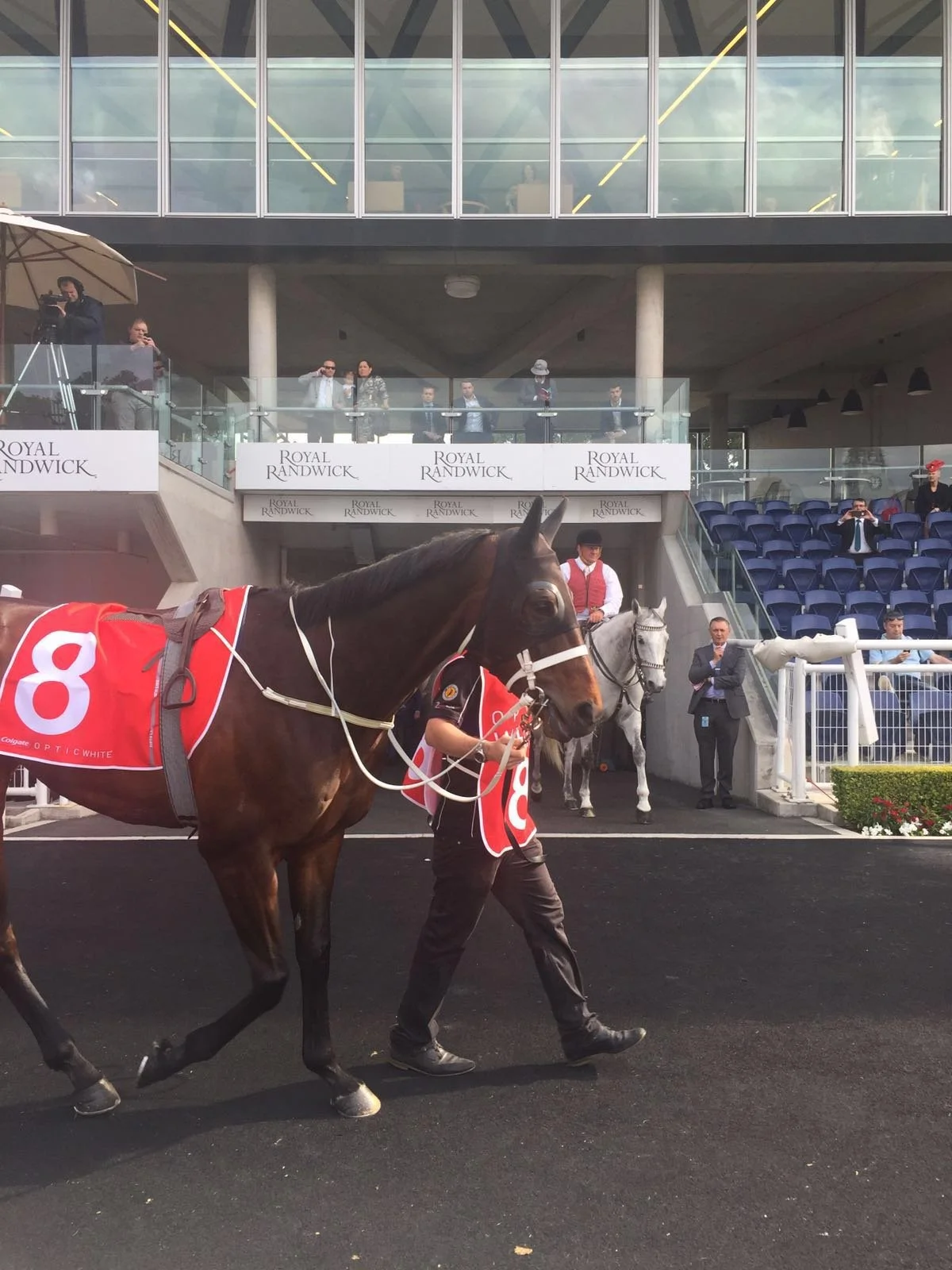
WINX “Photo: Cherry He, CC BY-SA 2.5. - Cropped”
Why Traditional Form Analysis Is Incomplete
Most form analysis focuses on outcomes. Sectional Edge focuses on the structure that created them.
A form guide can tell you where a horse finished, the margin, race time, barrier and track conditions. What it rarely shows is the true energy cost of the run.
Two horses may finish within a length of each other, yet produce vastly different performances. One may have enjoyed an economical run behind controlled speed, while another may have raced wide, covered extra ground, absorbed pressure and still finished close.
On paper, those runs look similar. In reality, they are not.
Sectional Edge separates visible performance from true performance. It identifies when a winner was flattered by race shape and when a beaten horse performed better than the market realises.
Because in racing, the best horse does not always win. The horse best suited to the race conditions usually does.
Sectional Edge was built to measure that suitability.
Sectional Edge was founded by Heath Pope, better known throughout the racing industry as “Popey”.
Based in New South Wales, Heath is a well-known and highly experienced horse-racing analyst with particular expertise in South Australian racing. With more than 25 years of form-analysis experience and a lifelong passion for the sport, he has developed a sharp eye for form and a strong understanding of the numbers behind every performance.
Heath is also a regular contributor to Racenet and SEN, appearing on programs including Giddy Up and Winners with Gareth Hall.
Through Sectional Edge, Heath combines traditional form study with detailed analysis of sectional times, weight carried, race tempo, track conditions and track-specific performance. This deeper approach helps identify runners whose winning prospects may be stronger than the betting market suggests.
Supported by comprehensive racing data and modern analytical tools, Sectional Edge is designed to help punters look beyond the basic form guide and make smarter, better-informed betting decisions.